Introduction
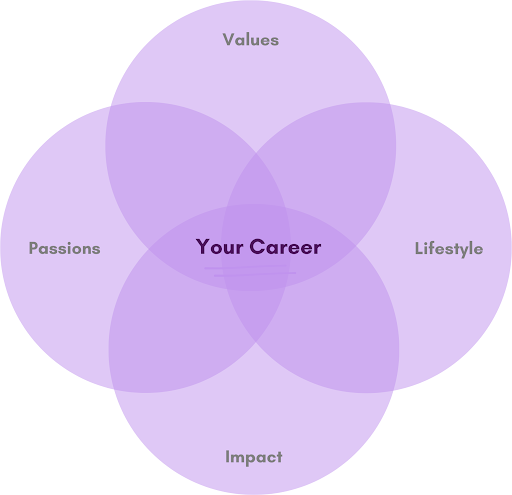
Factor to Consider!When choosing a career, it can help to think about four key factors:
• Passions – What interests you and keeps you curious
• Values – What matters most to you and guides your decisions
• Lifestyle – How you want your daily life to look
• Impact – How you want to contribute to others or society
Passion
When choosing a career, passion means finding a field or type of work that genuinely interests you and motivates you. It is about doing work that excites you and makes you feel engaged. When you are passionate about what you do, it feels less like just a job and more like something you care about and enjoy.
Expand on the tips for developing your passions on the right to learn more-
Think about the subjects, topics, or hobbies you enjoy. This could include the arts, languages, sports, technology, or science. Ask yourself what specifically interests you about these areas.
-
Try stepping outside your comfort zone. This could mean taking a new course, learning a new skill, joining a club, or trying something hands on such as programming, music, or landscaping.
-
Have conversations with people around you, such as classmates, parents, teachers, mentors, or family friends. Ask them about their career paths and what they enjoy or find challenging about their work.
-
Gaining real world experience can help you discover what types of work you enjoy. You may learn whether you prefer work that is more hands on, people focused, creative, or intellectually challenging.
-
Passion often develops over time and through experience. Some people discover their passions early, while others find them later. Everyone’s journey is different, so focus on your own path and growth.
Values
Values are the beliefs and principles that guide your decisions and priorities. They reflect what matters most to you and help shape the kind of life and career you want to build.
Values can include:
• What you believe is right and wrong
• What you stand for
• What helps you and others thrive
Examples of Values:
• Environmental sustainability
• Advancement of technology, education, or research
• Social services and helping others
• Global diplomacy and peacekeeping
• Community and connection
Understanding your values can help you choose a career that feels meaningful and aligned with who you are.
Lifestyle
Lifestyle refers to how your career fits into your daily life. This includes how much you work, where you work, and how your job affects your overall well being.
Things to Consider:
• How much education or training is required
• Work hours and number of workdays
• Level of stress associated with the job
• Income level you would feel comfortable with
• Location of work and amount of commuting or travel
Example
Someone who enjoys traveling for work and is comfortable working for several weeks at a time before having time off may be interested in careers in the transportation industry. Examples include pilots, flight attendants, or truck drivers.
Impact
Impact refers to how your work benefits others, including your family, community, and the wider world. Impact is closely connected to values and reflects how you put those values into action through your career.
Examples of Impact Based on Values:
• If you value environmental sustainability, you might work to improve air and water quality in the public or private sector.
• If you value technology, education, or research, you may help improve access to information, learning opportunities, or healthcare.
• If you value social services, you may support individuals such as seniors or people struggling with addiction.
• If you value global diplomacy and peacekeeping, you may work in humanitarian aid, conflict resolution, or economic development.
• If you value community, you may volunteer, provide direct support to others, or work in community focused organizations.